Choosing the Right Insulation: Why SilverGlo®, Spray Foam, and Rim Joist Insulation Are the Smart Choice for New England Homes
When it comes to home insulation in New England, choosing the right material can make a huge difference in energy efficiency, comfort, and lower heating and cooling costs. Insulation is one of the most important upgrades for homeowners looking to improve their home’s performance and protect against drafts, moisture, and high energy bills.
At Erickson Foundation Solutions, we specialize in basement insulation, crawl space insulation, and rim joist sealing. In this article, we’ll break down the pros and cons of common insulation types—and explain why SilverGlo® rigid foam insulation, spray foam insulation, and rim joist insulation are the best options for long-term results.
Common Insulation Types: Pros and Cons
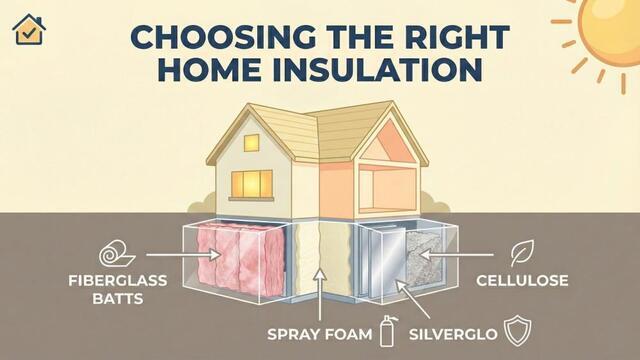
Fiberglass Batt Insulation
- Pros: Affordable, widely available.
- Cons: Poor air sealing, prone to moisture issues, can sag and lose effectiveness over time.
Cellulose Insulation
- Pros: Eco-friendly, decent thermal performance.
- Cons: Settles over time, absorbs moisture, can attract pests.
Spray Foam Insulation
- Pros: Excellent air seal, high R-value, great for hard-to-reach areas.
- Cons: Higher upfront cost, requires professional installation.
Despite the cost, spray foam insulation is one of the most effective solutions for sealing gaps and preventing drafts. That’s why we often recommend it for rim joists and other critical areas where air leakage is common.
Why SilverGlo® Insulation Stands Out
SilverGlo® rigid foam insulation is a graphite-infused foam board that offers superior thermal resistance compared to traditional foam boards. It also includes a built-in radiant barrier, which reflects heat back into your home for added energy savings. Unlike fiberglass or cellulose, SilverGlo® doesn’t absorb moisture, won’t sag, and maintains its insulating power for decades.
At Erickson Foundation Solutions, we install SilverGlo® in basements and crawl spaces to create a clean, dry, and energy-efficient environment. It’s a game-changer for homeowners looking for long-term comfort and protection.

Why Perimeter Foundation Insulation Matters for Warm Floors
One of the biggest complaints from homeowners in New England is cold floors during winter. This often happens because the perimeter of the foundation—the walls that surround your basement or crawl space—allows cold air to infiltrate and chill the floor above. By insulating these walls with SilverGlo® rigid foam, you create a thermal barrier that keeps cold air out and heat in. This not only improves overall energy efficiency but also makes your floors noticeably warmer and more comfortable throughout the season.
When combined with rim joist spray foam insulation, perimeter foundation insulation stops drafts at their source and prevents heat loss where it matters most. The result? A cozier home and lower heating bills.
The Importance of Rim Joist Insulation
Your rim joists—the area where your home’s framing meets the foundation—are a major source of air leakage and energy loss. Without proper insulation, cold air seeps in during winter, and humid air enters in summer, leading to discomfort and higher energy bills.
We use spray foam insulation on rim joists because it creates an airtight seal, preventing drafts and moisture intrusion. Combined with SilverGlo® insulation on foundation walls, this approach dramatically improves your home’s efficiency and comfort.
Why We Recommend These Solutions
At Erickson Foundation Solutions, we’ve installed SilverGlo®, spray foam insulation, and rim joist insulation in countless homes across New Hampshire and Massachusetts. These products outperform traditional options, delivering:
- Superior energy efficiency
- Moisture resistance
- Long-lasting durability
- Improved comfort year-round
Ready to make your home more energy-efficient?
Contact Erickson Foundation Solutions today for a free insulation evaluation. We’ll help you choose the best solution for your home and budget.