Why Are My Floors Uneven? Common Causes and Solutions
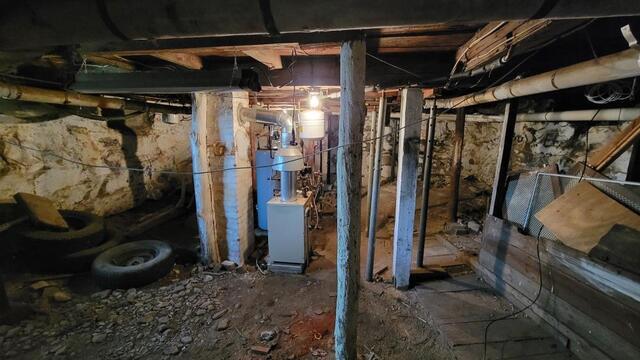
Have you noticed your floors sloping, bouncing, or feeling uneven underfoot? While older homes naturally settle over time, uneven floors should never be ignored. They can indicate issues with your foundation, crawl space, or structural support system that may worsen if left unaddressed.
Let's take a closer look at the most common causes of uneven floors and what can be done to fix them.
1. Foundation Settlement
One of the most common reasons for uneven floors is foundation settlement.
Over time, the soil beneath a home's foundation can shift, compress, or wash away. When this happens, portions of the foundation may sink unevenly, causing the structure above to move as well.
Common signs of foundation settlement:
- Sloping or sagging floors
- Cracks in drywall or plaster
- Doors and windows that stick
- Gaps around window frames
- Cracks in foundation walls
In New England, changing moisture levels and freeze-thaw cycles can contribute to soil movement, making foundation settlement a common concern for homeowners.
Potential solution:
Foundation repair systems such as helical piers or push piers can help stabilize and, in some cases, lift settled sections of the foundation to restore structural integrity.
2. Crawl Space Support Problems
If your home has a crawl space, weakened support posts or undersized floor joists could be causing your floors to dip or sag.
Many older homes were built with support systems that may no longer be adequate for today's loads. Additionally, wooden supports can deteriorate over time when exposed to excessive moisture.
Common signs of crawl space support issues:
- Floors that feel soft or bouncy
- Sagging areas in the center of rooms
- Noticeable dips between walls
- Cracks forming above doorways
Potential solution:
Installing engineered steel support posts and supplemental beams can help restore proper support and reduce floor deflection.
3. Moisture Damage and Wood Rot
Excess moisture is one of the biggest threats to a home's structural system.
When moisture enters a crawl space or basement, it can lead to wood rot, mold growth, and weakening of floor framing components. As joists and beams deteriorate, floors begin to sag and lose stability.
Warning signs include:
- Musty odors
- High indoor humidity
- Visible mold growth
- Soft or spongy flooring
- Signs of water intrusion
Potential solution:
Addressing the moisture source is the first step. Crawl space encapsulation, drainage improvements, and dehumidification systems can help create a dry, healthy environment while protecting structural components from further damage.
4. Damaged or Undersized Floor Joists
Floor joists are the horizontal structural members that support your flooring. Over time, they can become damaged by moisture, pests, or excessive loading.
In some homes, particularly older properties, the original joists may not meet modern standards for structural performance.
Signs of joist problems:
- Noticeable floor sagging
- Bouncy floors when walking
- Cracks appearing in interior finishes
- Uneven transitions between rooms
Potential solution:
Structural reinforcement may include sistering damaged joists, adding support beams, or installing specialized floor support systems designed to stabilize and strengthen sagging floors.
5. Expansive or Unstable Soil Conditions
The soil beneath your home plays a major role in its long-term stability.
When soils expand due to moisture or shrink during dry periods, they can cause movement beneath the foundation. This movement often translates into uneven floors and other signs of structural distress.
Potential solution:
A professional foundation inspection can determine whether soil-related movement is affecting your home and identify the best stabilization method.
When Should You Be Concerned?
A floor that is slightly uneven may not always indicate a serious structural problem. However, homeowners should schedule a professional inspection if they notice:
- Increasing floor slopes
- Significant sagging or bouncing
- New wall or ceiling cracks
- Sticking doors and windows
- Moisture or mold issues in the basement or crawl space
The sooner these warning signs are addressed, the more options are typically available for repair.
Don't Ignore Uneven Floors
Uneven floors are often a symptom of a larger problem, not the problem itself. Whether the cause is foundation settlement, crawl space deterioration, moisture damage, or failing structural supports, identifying the source is essential for protecting your home's value and safety.
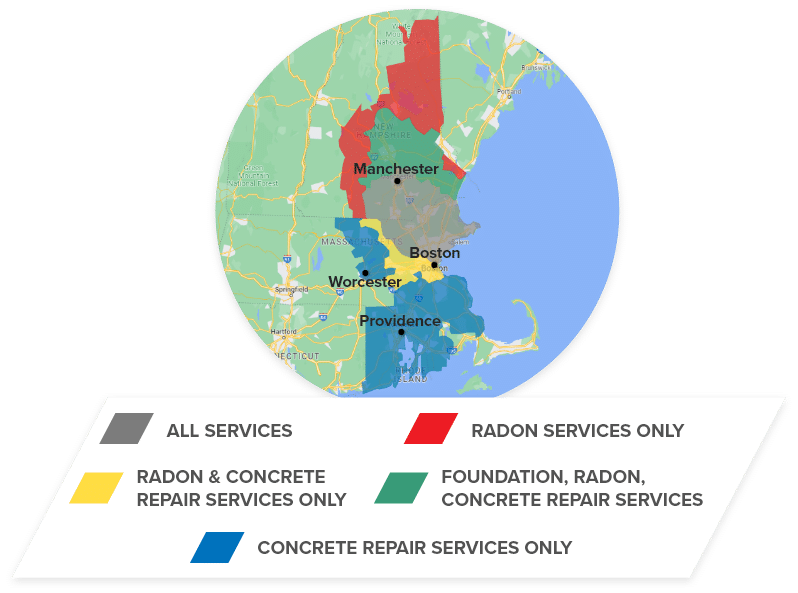
At Erickson Foundation Solutions, our team specializes in diagnosing and repairing foundation, basement, and crawl space issues throughout Southern New Hampshire and Massachusetts. If you've noticed sagging or uneven floors in your home, a professional inspection can help determine the cause and recommend the right solution before the problem gets worse.
Schedule a free inspection today and get peace of mind knowing your home's foundation and structural supports are in expert hands.